In modern society, electricity has become an indispensable energy source for our daily life and industrial production. With the popularization of electrical equipment and the increase in power load, electrical safety issues have become increasingly prominent. Circuit breaker products, as the “guardian” of electrical systems, can quickly cut off power when an abnormality occurs in the circuit to prevent electrical fires and equipment damage.
Whether in homes, office buildings, or in large places such as factories and photovoltaic power stations, circuit breakers play a vital role. This article will give you a detailed introduction to the principles, types, selection methods of circuit breakers, and the unique advantages of korlensolar.com products, to help you better understand and select suitable circuit breaker products to ensure electricity safety.
Basic principles and main functions of circuit breakers
Working principles of circuit breakers
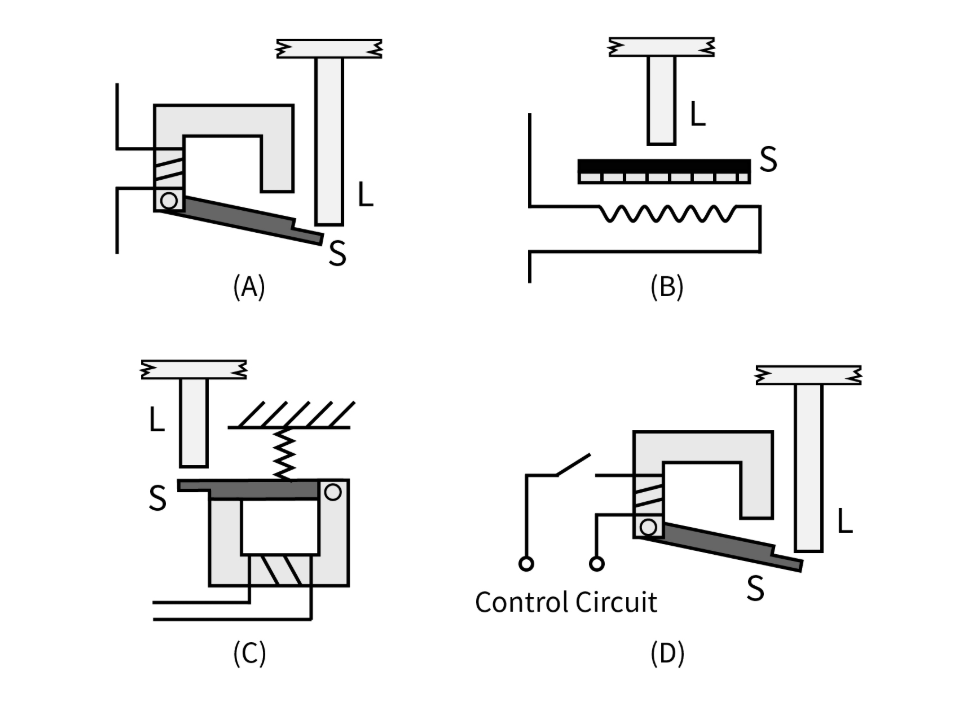
Introduce how circuit breakers detect abnormalities in circuits (such as overloads and short circuits) mechanically or electronically, and automatically disconnect the circuit to prevent accidents.
Main functions
- Overload protection: Prevent circuits from heating and damage due to excessive current.
- Short circuit protection: Quickly cut off the power supply when a short circuit occurs in the circuit to avoid fire and equipment damage.
- Leakage protection: Some circuit breakers have leakage detection function to ensure personal safety.
Differences from fuses
Briefly compare the differences between circuit breakers and traditional fuses in terms of protection methods, reusability, etc.
Main components of circuit breaker
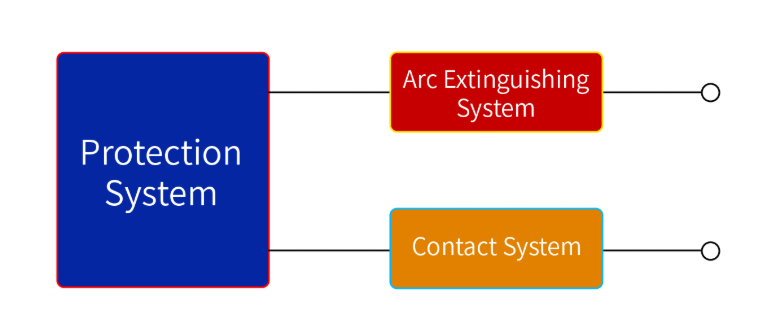
As the core protection device in the electrical system, the internal structure of the circuit breaker consists of multiple key components working together to ensure that the power supply can be cut off in a timely and reliable manner when the circuit is abnormal, ensuring the safety of equipment and personnel. The main components include:
Contact system
The contact system is the core component of the circuit breaker to achieve circuit connection and disconnection, usually composed of main contacts, auxiliary contacts and arc contacts. The main contact is responsible for normal current connection and disconnection, while the auxiliary contact and arc contact guide and disperse the arc during the disconnection process to prevent damage to the main contact and extend its service life.
Arc extinguishing system
When disconnecting large currents, the separation of contacts will generate an arc. The arc extinguishing system uses a special arc extinguishing chamber and metal grid structure to effectively cool and lengthen the arc, so that it can be extinguished quickly and avoid damage to the equipment caused by high-temperature arcs.
Protection system (tripper)
The protection system includes various trippers, such as overload trippers, short-circuit trippers, leakage trippers, etc. These devices can determine whether the circuit is abnormal based on parameters such as current and voltage, and drive the operating mechanism when necessary to trip the circuit breaker and disconnect the circuit.
Operating mechanism
The operating mechanism is responsible for controlling the closing and opening actions of the contacts. It stores energy manually, automatically or electrically, and quickly releases energy when needed to drive the contact system to quickly disconnect or close the circuit.
Housing and base
The housing provides insulation and mechanical protection for the circuit breaker to prevent the external environment from affecting the normal operation of the internal components. The base is used to install and fix each component to ensure the stability of the overall structure.
Auxiliary and alarm contacts
The auxiliary contacts are used to display the opening and closing status of the circuit breaker, or to control other electrical equipment in conjunction. The alarm contacts output signals for warning or remote monitoring when the circuit breaker trips.
Intelligent unit (some high-end circuit breakers)
Modern intelligent circuit breakers also integrate microprocessors, sensors and communication interfaces to achieve real-time monitoring and remote control of parameters such as current, voltage, and temperature, improving the intelligence and maintenance efficiency of the system.
Main types and application scenarios of circuit breakers
Circuit breaker are divided into several main types according to their structure, function and application environment. Each type is optimized for specific electrical protection needs and usage scenarios to ensure the safe and stable operation of the power system. The following is a detailed introduction to common circuit breaker types and their typical application scenarios:
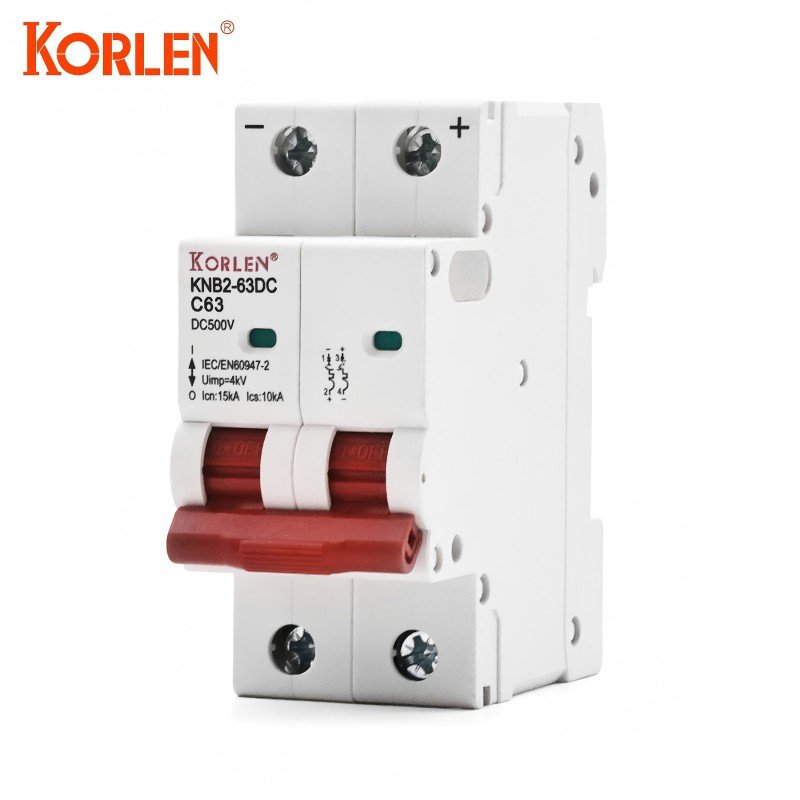
MCB
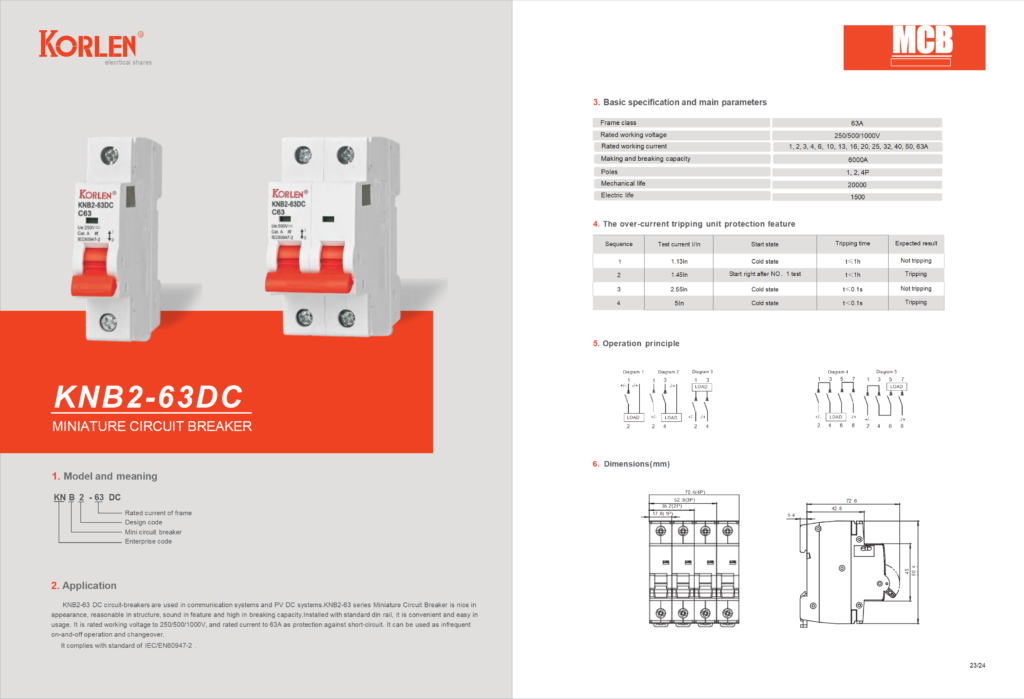
Miniature Circuit Breaker (MCB) is mainly used in low-voltage power distribution systems and is widely used in residential, office buildings, shops and other places. MCB is small in size and easy to install. It is suitable for protecting branch circuits such as lighting and sockets to prevent electrical fires caused by overload or short circuit. Its breaking capacity is generally between 6kA and 10kA, which is suitable for occasions with small current and more branches. MCB usually has a variety of poles such as single pole, double pole, and three pole to meet different wiring needs.
Application scenario examples:
- Residential distribution box
- Office building lighting and socket circuit
- Electrical protection for small commercial places
RCCB/ELCB
Residual current circuit breaker (RCCB or Earth leakage circuit breaker, ELCB) is designed to prevent leakage accidents. It can quickly cut off the power supply to prevent electric shock and electrical fire when abnormal leakage current is detected in the circuit. RCCB/ELCB is particularly important for personal safety protection and is often used in places with high safety requirements.
Application scenario examples:
- Wet environments such as home bathrooms and kitchens
- Public buildings such as hospitals and schools
- Electricity safety protection in factory workshops
MCCB
Molded case circuit breaker (MCCB) is suitable for medium and high current distribution systems, with stronger breaking capacity and capable of handling larger short-circuit currents. MCCB has a sturdy structure and multiple protection functions such as overload, short circuit and undervoltage. It is widely used in industrial plants, commercial buildings, large equipment and other occasions. MCCB usually supports higher current levels (tens of amperes to thousands of amperes), and can be equipped with auxiliary function modules to achieve remote control and status monitoring.
Application scenario examples:
- Main distribution box for industrial production lines
- Main circuit protection for large commercial complexes
- Independent protection of high-power motors, air conditioners and other equipment
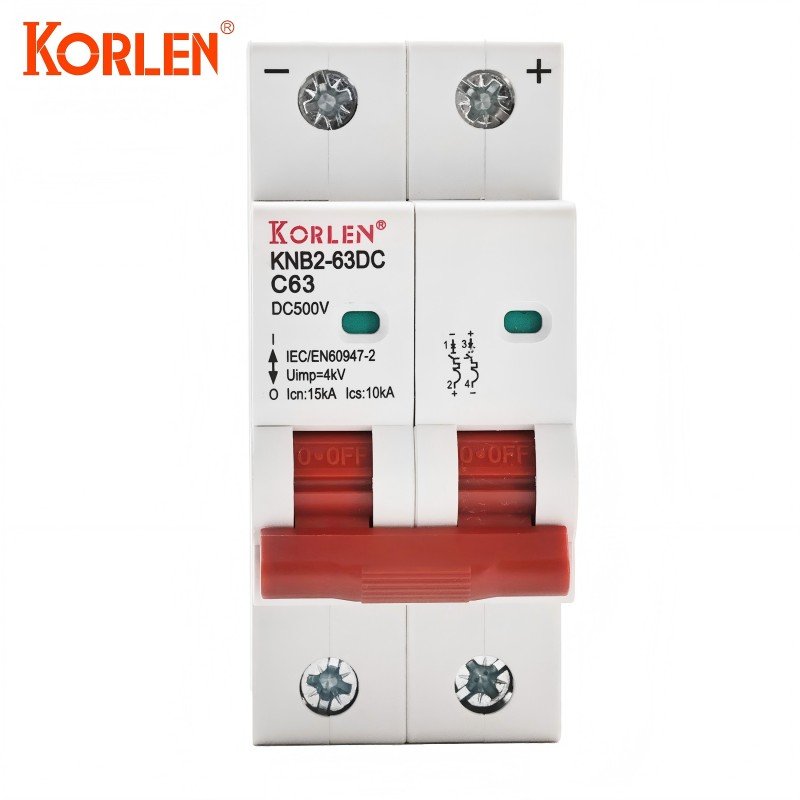
Photovoltaic circuit breakers
With the development of the new energy industry, photovoltaic power generation systems have put forward higher requirements for circuit breakers. Photovoltaic circuit breakers are designed for DC high-voltage environments and can effectively meet the current protection needs between photovoltaic modules and inverters. Such circuit breakers have high breaking capacity and excellent voltage resistance to ensure the safe operation of photovoltaic systems.
Application scenario examples:
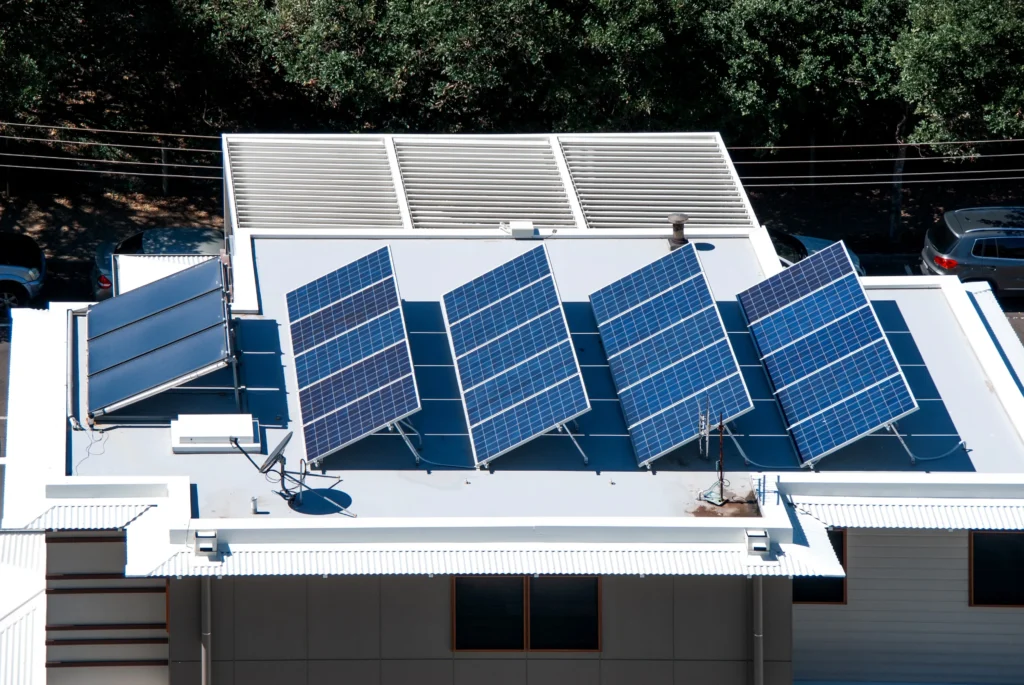
- Rooftop distributed photovoltaic power station
- Commercial and industrial photovoltaic power generation systems
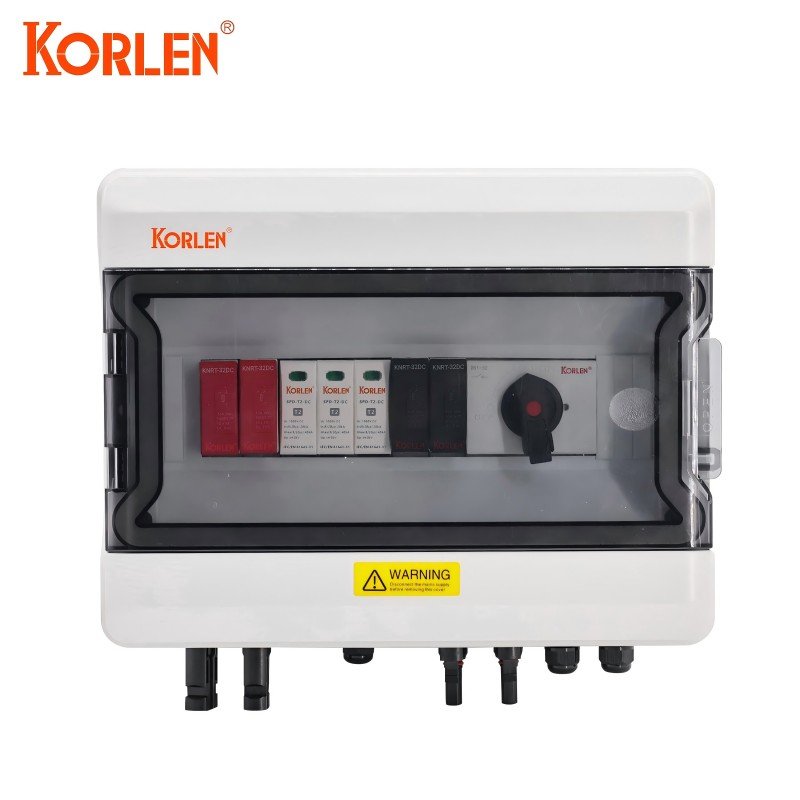
- Circuit protection between photovoltaic inverters and combiner boxes
Other special circuit breakers
Frame circuit breakers (ACB) are suitable for high-voltage and high-current occasions, such as substations, main distribution rooms, etc. It has extremely high breaking capacity, can withstand extreme short-circuit currents, and supports remote control and intelligent management. In addition, there are special types such as high-voltage circuit breakers and DC circuit breakers, which provide professional protection for specific industries and application scenarios.
Application scenario examples:
- Main incoming line protection for power substations
- Main power distribution systems for large industrial and mining enterprises
- Places with extremely high requirements for power supply continuity, such as data centers and communication base stations
Different types of circuit breakers have their own unique structural and functional advantages, and are used in a variety of scenarios, from family homes to large industries, from traditional AC to new energy DC. Correct selection and application of circuit breakers is the basis for ensuring the safety of electrical systems and improving power reliability.
How to choose a suitable circuit breaker?
Selection basis
- Rated current: Determine the rated current of the circuit breaker according to the total power of the electrical equipment.
- Rated voltage: Match the working voltage of the circuit.
- Number of poles: single-pole, double-pole, three-pole or four-pole, adapted to different circuit structures.
- Breaking capacity: Select the appropriate breaking capacity according to the maximum short-circuit current that may occur.
Selection suggestions for different application scenarios
- Residential: Focus on safety and ease of operation.
- Industrial: Focus on high breaking capacity and high reliability.
- Photovoltaic system: It is necessary to select a special circuit breaker suitable for DC disconnection.
Common misunderstandings and precautions for circuit breaker selection
Avoid common mistakes such as focusing only on current rating while neglecting breaking capacity or environmental factors. For tailored advice, feel free to contact our experts at korlensolar.com.
korlensolar circuit breaker product advantages
Korlensolar.com specializes in the R&D and manufacturing of high-quality circuit breakers, offering a comprehensive product range including MCBs, RCCBs, MCCBs, PV breakers, and more. Our products are certified to international standards such as ISO9001 and undergo strict quality control to ensure reliability and safety.
Why choose Korlensolar.com?
- Rich industry experience and technical expertise
- Innovative designs with multiple patented technologies
- Complete product lines for diverse applications
- Excellent after-sales service and customized solutions
Explore our product catalog or send us your inquiry for personalized recommendations!
Maintenance and safe use suggestions for circuit breakers
Importance of correct installation and regular inspection: emphasize that circuit breakers must be installed by professional electricians and their operating status must be checked regularly to ensure safety and reliability.
Common faults and troubleshooting methods: list common circuit breaker faults (such as false operation, non-tripping, etc.) and simple troubleshooting methods.
Daily maintenance suggestions for users to extend product life: such as keeping circuit breakers clean, avoiding moisture erosion, and regular testing.
Circuit breakers are the cornerstone of electrical safety, protecting lives and property from electrical hazards. By choosing the right breaker-and a trusted manufacturer like Korlensolar.com-you ensure reliable protection for every application, from homes to factories to solar power plants.
Visit korlensolar.com to discover our full range of products or contact us today for expert advice and solutions tailored to your needs. Let’s work together to create a safer, more efficient electrical future!
If you have any specific requirements or need a quotation, please don’t hesitate to send us an inquiry Email: sales26@korlen.com. Our team is ready to assist you!